



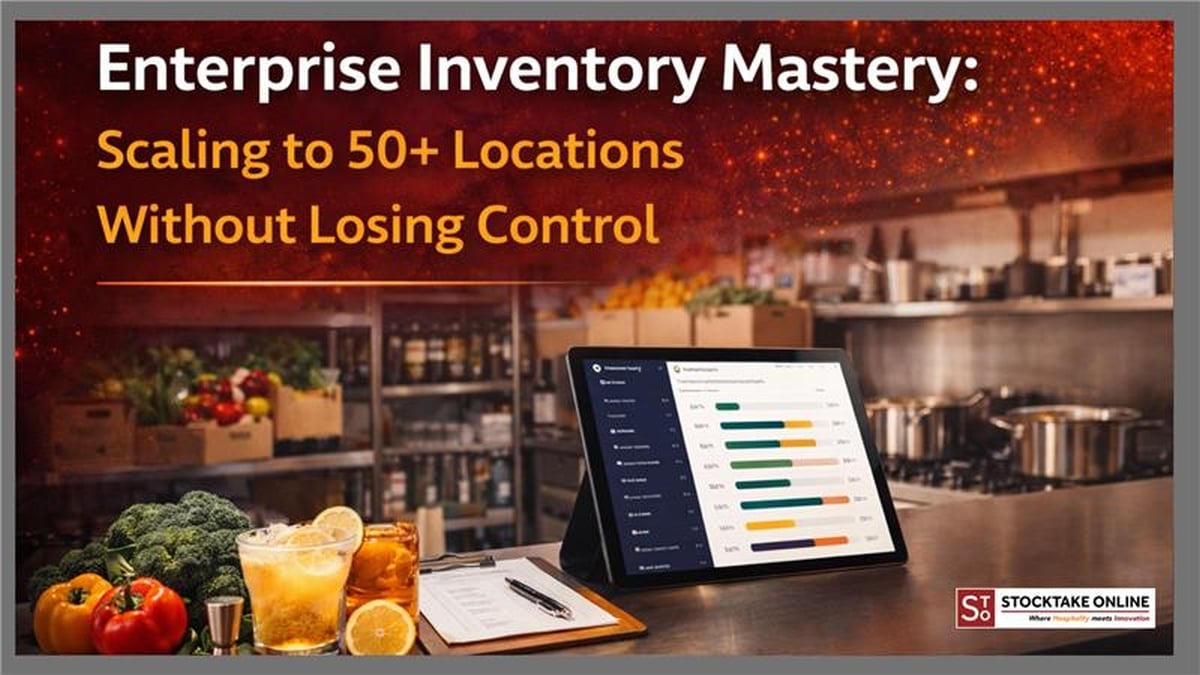
When a hospitality group expands from ten to fifty sites, the primary threat to survival is rarely a lack of customer demand. According to recent industry analysis on UK hospitality growth, the most common point of failure is operational drift. At ten sites, a founder or operations director can still maintain a degree of personal oversight. At fifty sites, that is physically impossible. The organisation loses its ability to manage the minutiae of the back of house, and the first casualty is almost always the inventory. Without a robust system, the cumulative effect of minor variances across dozens of kitchens can erode the bottom line by 3 to 5 percentage points, often before the finance team even spots the trend.


As we navigate the fiscal landscape of 2026, the hospitality industry faces an unprecedented convergence of operational pressures. Margin erosion, driven by volatile global supply chains and fluctuating labour costs, has rendered traditional, reactive accounting methods obsolete. For a modern Profit and Loss (P&L) statement to be a functional tool rather than a historical post-mortem, it requires a "Single Source of Truth."
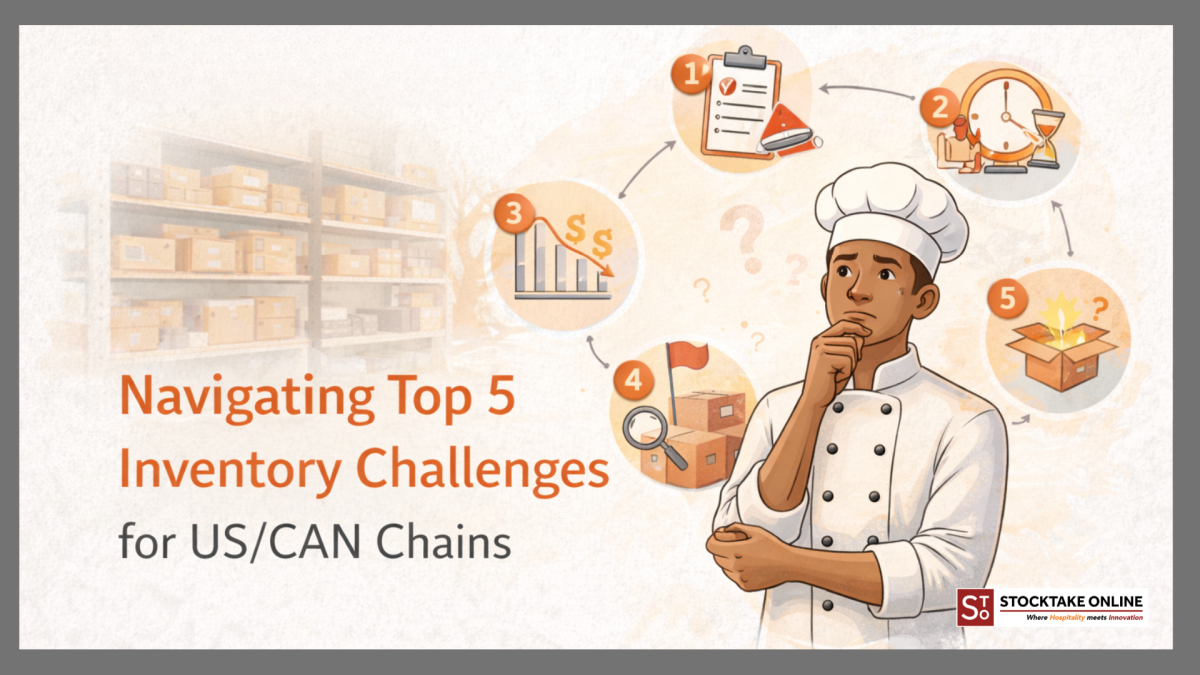
The North American hospitality landscape in 2026 is defined by thin margins and an unforgiving economic climate. For multi-unit chains across the US and Canada, the "gut-feeling" approach to inventory is no longer a viable strategy. As operational pressures mount—driven by fluctuating ingredient costs and complex supply chain logistics—operators are turning toward sophisticated stock control software to maintain financial health. This article explores the five most critical inventory challenges facing large-scale chains and how an integrated, real-time approach to back-of-house management can transform these hurdles into competitive advantages. By leveraging automation and deep analytics, brands can move beyond manual logbooks toward a future of predictive procurement and optimized profitability.
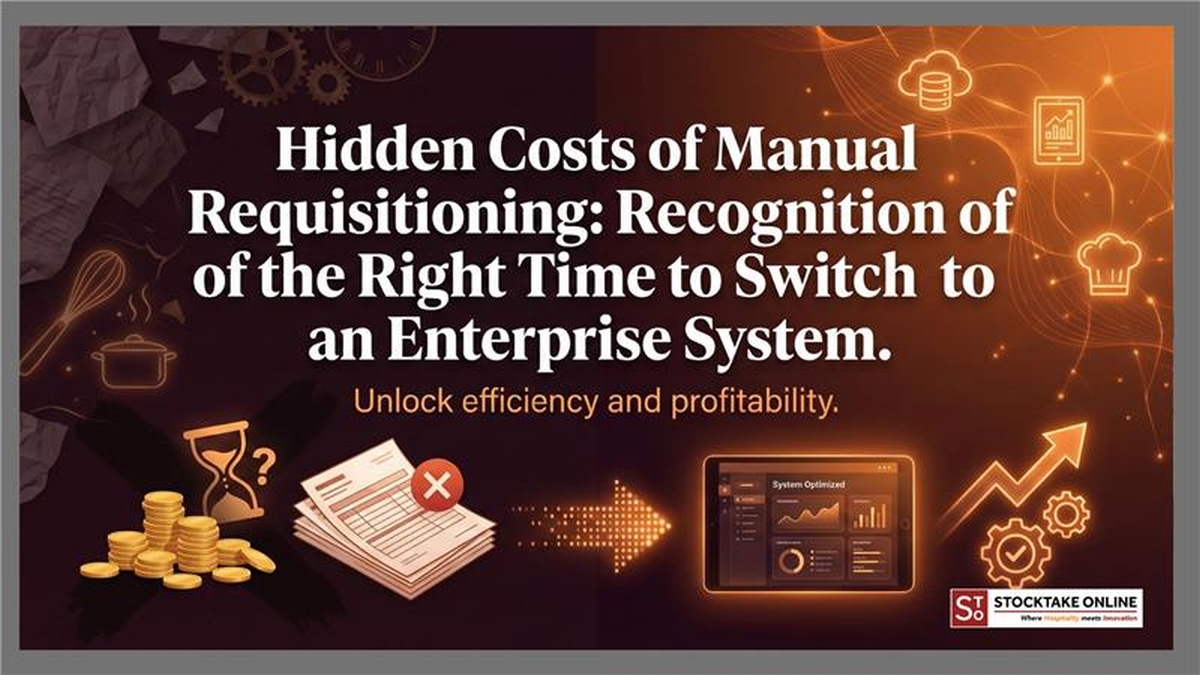
In the current hospitality climate of 2026, a paradox plagues growing restaurant groups and hotel chains: as revenue and site counts increase, operational control often diminishes. Operations Directors and CFOs frequently find that despite operations running "smoothly" on the surface, Gross Profit (GP) varies wildly between sites, stock-outs become frequent, and margins erode without a clear cause. The issue is rarely a lack of effort or demand; it is almost invariably the result of manual requisitioning.
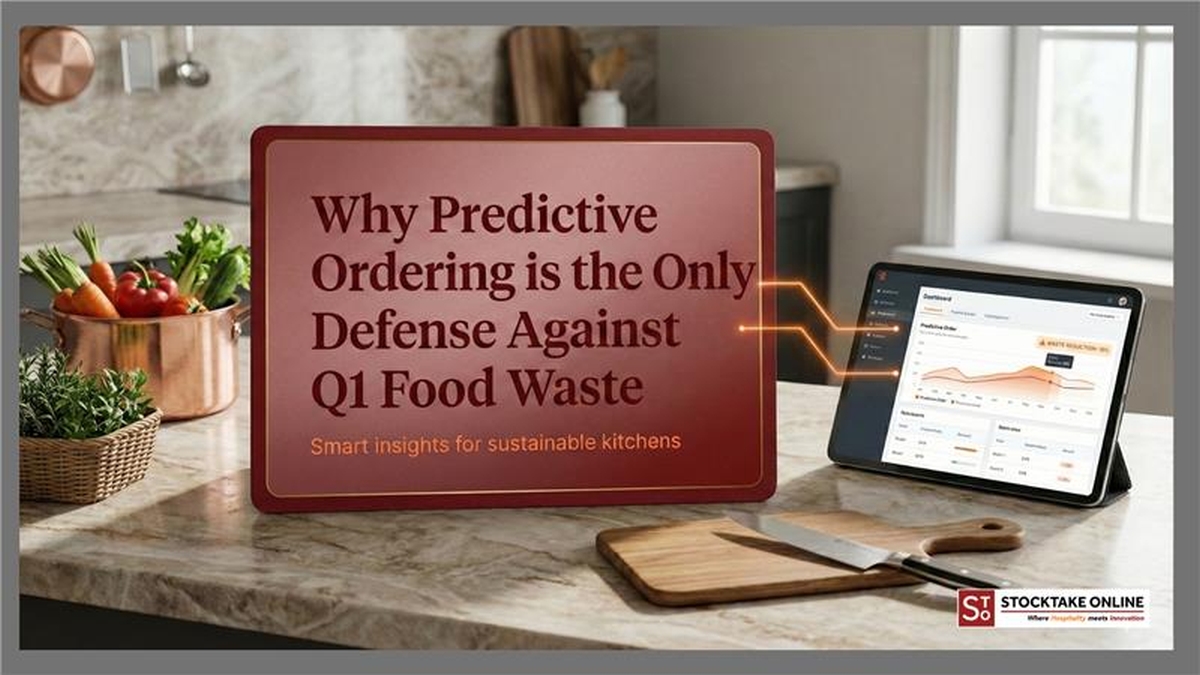

For many hospitality groups—especially those operating on an April-to-March fiscal calendar (common in the UK)—January represents the critical "Mid-Year" or Q4 pivot point. For others starting a new financial year, it is the baseline month that dictates Q1 performance. Regardless of your fiscal cycle, January is the month where operational discipline is tested.


Executive Summary
For UK hospitality operators, January 31st is more than just a date on the calendar; it is the definitive stress test of your operational and financial discipline. As the final deadline for Self Assessment tax returns, it exposes every flaw in your data collection—from missing supplier invoices to inaccurate stock valuations. In the 2026 climate, where margins are squeezed by rising labour costs and volatile supply chains, the "shoebox of receipts" method is no longer just inefficient; it is a financial liability.
Executive Summary
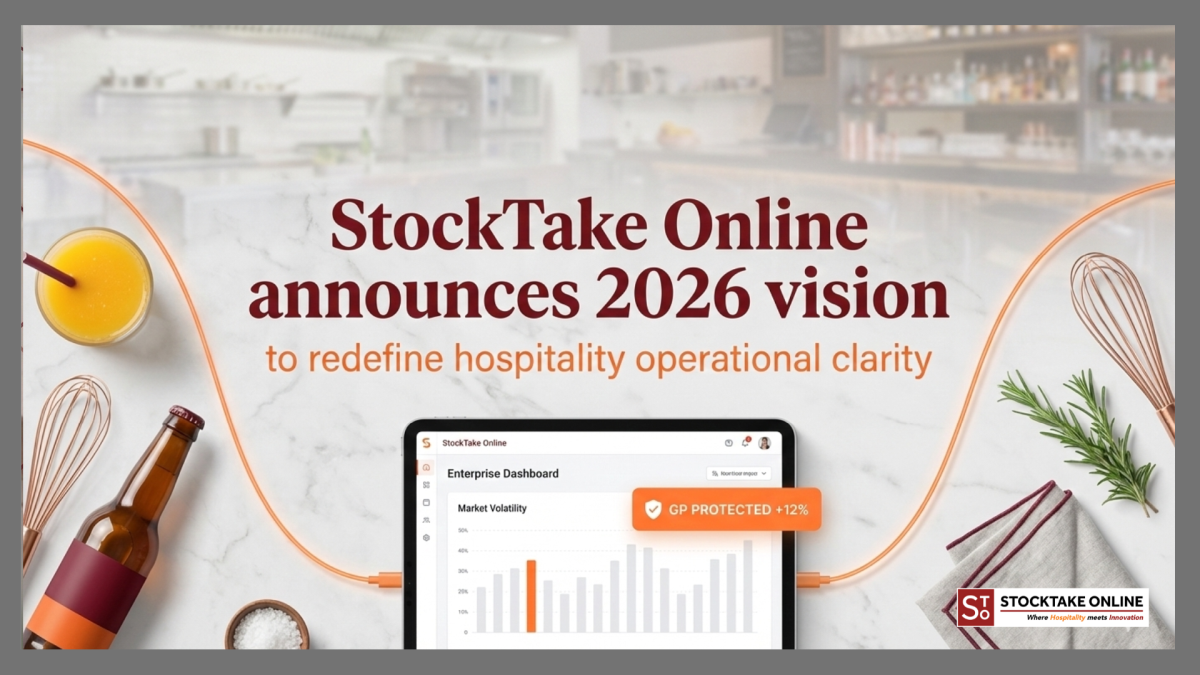
Hospitality operators are entering 2026 under unprecedented operational pressure. Rising labour shortages, supplier price volatility, tightening margins, and increasingly complex multi-location operations are exposing the limits of traditional restaurant inventory management systems. Manual stocktakes, retrospective reporting, and disconnected tools no longer provide the clarity required to operate profitably at scale.