
UK restaurants can cut food cost by 3–8% within 60 days without touching ingredient quality or portion size, by fixing operational leaks first inventory accuracy, waste tracking, portion control and supplier price drift. The fix isn't a cheaper menu; it's tighter operations.
How to Reduce Food Cost Without Cutting Quality: 2026 UK Playbook
Aug 12, 2026, 10:01:54 AM / by Team STO posted in Restaurant Inventory Management, food cost control, UK hospitality, GP% & Profitability
The Invoice Still Has to Be Read: Why AI Is Finally Solving the Problem
Apr 14, 2026, 2:06:22 PM / by Team STO posted in stock control software, Inventory Management, Supplier Management, restaurant operations, AI Invoice Scanning, food cost control, hospitality invoice automation, hospitality technology, recipe costing, back-of-house technology, multi-site restaurant management, labour cost reduction, OCR hospitality, invoice automation
Manual invoice processing is not a small inefficiency. For restaurant operators managing multiple suppliers and dozens of delivery notes each week, it is a structural drain on labour, margin, and management attention. Here is what the technology actually does, and why it matters now.
Cloud Kitchen and Ghost Kitchen Inventory Management: Scaling Multi-Brand Operations in the UK, UAE, and Singapore
Apr 10, 2026, 8:15:49 AM / by Team STO posted in supply chain, Cloud Kitchen UAE, Inventory Management, restaurant operations, multi-site management, food cost control, menu engineering, waste reduction, ghost kitchen software
The Real Cost of Not Using Restaurant Inventory Software: What UK Operators Lose Every Month
Apr 9, 2026, 8:03:45 AM / by Team STO posted in supply chain, Inventory Management, restaurant operations, multi-site management, food cost control, menu engineering, waste reduction, UK hospitality
Predictive Ordering for Restaurants: How to Stop Over-Buying and Never Run Out
Mar 27, 2026, 10:33:01 AM / by Team STO posted in Restaurant Inventory Management, stock control software, predictive ordering for restaurants, AI Demand Forecasting, food cost control, menu engineering, restaurant purchasing, prevent stockouts, supply chain management, back of house operations, restaurant waste reduction, multi-site restaurant management
The Ordering Problem Nobody Talks About Honestly
A 2023 report from WRAP estimated that the UK hospitality sector generates approximately 1.1 million tonnes of food waste each year, with over-purchasing identified as one of the primary causes. That figure represents not just an environmental problem but a direct hit to margin. For an independent restaurant operating at a food cost of 30 percent, a variance of even 2 to 3 percentage points in purchasing accuracy can be the difference between a profitable week and a loss. Despite this, the majority of restaurants in the UK and across the GCC still build their weekly orders around experience, assumption, and a quick look at what is left on the shelf.
When Ingredient Prices Spike: How UK Restaurants Can Protect Their Margins
Mar 23, 2026, 9:43:05 AM / by Team STO posted in Supplier Management, hospitality software, restaurant inventory software UK, multi-site management, food cost control, recipe costing, waste reduction, back-of-house technology, stock management, seasonal menu costing, ingredient cost volatility, GP margin
Cloud-Based vs. Legacy Inventory Systems: What Restaurant Operators Actually Need to Know in 2026
Mar 19, 2026, 11:55:23 AM / by Team STO posted in Restaurant Inventory Management, stock control software, restaurant operations, multi-site management, food cost control, restaurant technology 2026, inventory system comparison, legacy inventory system, waste reduction, cloud-based restaurant software, back-of-house technology, affordable restaurant software
According to the National Restaurant Association, food and labor together account for roughly 60 to 65 percent of total operating costs for full-service restaurants in the United States. That number has not changed much over the past decade, but the tools operators use to manage it have changed dramatically. And yet, as of 2025, a significant share of independent and small-chain operators are still running inventory on spreadsheets, aging desktop software, or a hybrid of both. If that describes your operation, this comparison is for you.
Enterprise Inventory Mastery: Scaling to 50+ Locations Without Losing Control
Mar 2, 2026, 9:09:10 AM / by Team STO posted in supply chain, Inventory Management, restaurant operations, multi-site restaurants, food waste reduction, food cost control, enterprise technology, hospitality scaling
When a hospitality group expands from ten to fifty sites, the primary threat to survival is rarely a lack of customer demand. According to recent industry analysis on UK hospitality growth, the most common point of failure is operational drift. At ten sites, a founder or operations director can still maintain a degree of personal oversight. At fifty sites, that is physically impossible. The organisation loses its ability to manage the minutiae of the back of house, and the first casualty is almost always the inventory. Without a robust system, the cumulative effect of minor variances across dozens of kitchens can erode the bottom line by 3 to 5 percentage points, often before the finance team even spots the trend.
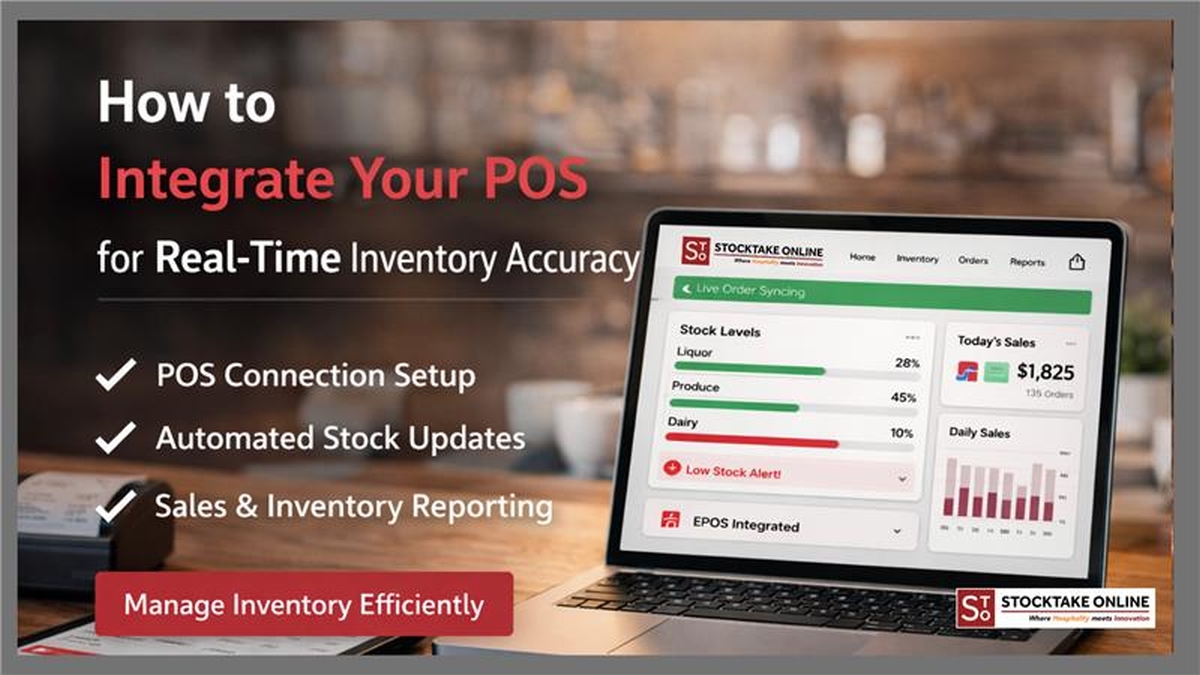
Why Manual Data Entry Fails and How to Integrate Your POS for Real-Time Inventory Accuracy
Feb 19, 2026, 12:26:01 PM / by Team STO posted in Inventory, real-time inventory intelligence, POS Integration, food cost control
CFO Guide: Real Time Hospitality Margin Protection Strategies
Feb 17, 2026, 3:23:32 PM / by Team STO posted in supply chain, Inventory Management, restaurant operations, multi-site management, food cost control, financial reporting, margin protection, COGS optimization
Hospitality margins often appear healthy in theory yet fail to materialize in the bank. This discrepancy stems from the silent operational gaps existing between revenue performance and purchasing activities. In the current 2026 economic climate, where ingredient inflation and supply chain volatility are constant, the traditional reliance on retrospective financial reporting is no longer sufficient. CFOs are finding that margin protection requires a shift toward real-time inventory reporting and automated safeguards that catch errors before they compound.