



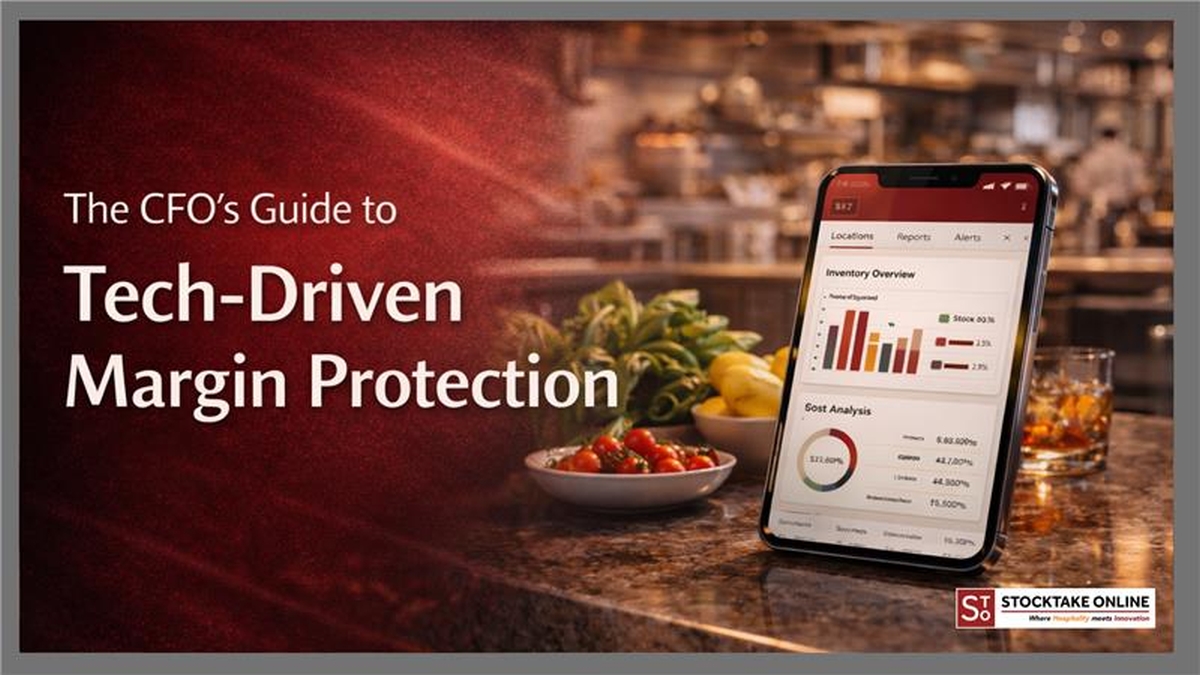
Hospitality margins often appear healthy in theory yet fail to materialize in the bank. This discrepancy stems from the silent operational gaps existing between revenue performance and purchasing activities. In the current 2026 economic climate, where ingredient inflation and supply chain volatility are constant, the traditional reliance on retrospective financial reporting is no longer sufficient. CFOs are finding that margin protection requires a shift toward real-time inventory reporting and automated safeguards that catch errors before they compound.
The industry now demands permanent margin protection that functions daily rather than annually. By implementing technological systems as the primary security mechanism for financial health, organizations can move from explaining past losses to preventing them. This guide explores how tech-driven platforms allow finance leaders to maintain control over gross profits across multiple locations while reducing the time spent investigating variances.
Industry and Market Context
The hospitality landscape has transitioned into a high-volatility environment where previous cost control methods are faltering. Macroforces such as fluctuating supplier pricing, labor wage pressure, and complex multi-site logistics have made manual oversight nearly impossible. In regions across the UK, Europe, and the GCC, operators face unique regulatory and supply chain challenges that demand higher data precision.
Ingredient costs now shift weekly or even daily. A supplier might increase the price of a core protein without notice, and without a digital link between the invoice and the receipt, that cost increase remains hidden until the month-end closing. This lag in information creates a state of perpetual reaction. Modern hospitality groups are moving toward cloud-based stock control systems to bridge the gap between back-office finance and floor-level operations.
Operational Problems
The primary threat to margins is not a single catastrophic event but a series of minor, undetected leaks. Common operational failures include:
- Manual Spreadsheet Dependency: Relying on manual data entry leads to transcription errors and delayed visibility.
- Inaccurate Stocktake Procedures: Discrepancies between physical counts and theoretical usage often go uninvestigated due to lack of time.
- Invoice Processing Delays: Manual reconciliation means price hikes are only noticed weeks after the capital has left the business.
- Waste Tracking Gaps: When waste is estimated rather than categorized and measured, the root causes of loss remain unaddressed.
For many CFOs, the actual problem is reporting quality. Information is often concealed within operational silos for too long, preventing timely intervention. When a variance appears in a P&L statement, the window of opportunity to correct the operational behavior has already closed.
Financial Impact
The cost of inaction regarding margin protection is quantifiable and severe. Typical hospitality operations experience a variance between 3% and 7% when systems are not integrated. For a high-volume restaurant group, even a 2% erosion in gross profit across twenty locations can represent hundreds of thousands of pounds in lost annual EBITDA.
Beyond direct COGS volatility, there is the hidden cost of labor spent on manual reconciliation. Finance teams often spend 40% of their time simply gathering and cleaning data rather than analyzing it for strategic value. This manual burden creates cash flow pressure, as overordering becomes a safety net for inaccurate data, tying up capital in excess inventory that may expire or be wasted.
Modern Solution Framework
A 2026-ready margin protection strategy must move beyond the periodic stocktake. It requires an integrated framework that includes several core capabilities.
Real-Time Visibility
Systems must provide an immediate view of stock levels and cost changes. This allows finance teams to observe cost pressure development as it happens. When ingredient costs update automatically from supplier invoices, recipe margins remain accurate without manual intervention.
Automated Invoice Digitization
Utilizing OCR and digital workflows ensures that every line item is tracked. This level of real time inventory reporting transforms invoice management from a clerical task into a strategic data feed.
Multi-Site Centralization
For scaling groups, standardizing costing logic across sites is essential. A single source of truth allows the CFO to compare performance between locations accurately, ensuring that growth remains measurable and controlled.
How StockTake Online Supports CFO-Level Control
StockTake Online provides the financial infrastructure required to manage volatile markets. The platform functions as a unified system that combines inventory, purchasing, and recipe management into one operational hub. By using modern inventory management platforms, CFOs gain earlier cost pressure alerts and can maintain complete control over gross profits.
The system automatically detects supplier price increases the moment invoices are processed. This enables finance teams to support pricing and procurement decisions with current data rather than assumptions. Furthermore, StockTake Online facilitates POS and ERP integration, ensuring that sales data and inventory consumption are perfectly aligned.
By tracking variance as an active business metric, the platform allows operators to identify losses before they compound. Whether itis managing inventory across multiple regions or standardizing recipes for a franchise, the system ensures that operational variance is a known and managed factor.
Industry Use Cases
Different hospitality verticals require specific approaches to margin protection.
-
- Full-Service Restaurants: Focus on high-value ingredient tracking and complex recipe costing to maintain GP targets.
- Quick Service Restaurants (QSR): Prioritize portion control and high-frequency cycle counting to manage tight margins and high volume.
- Hotel F&B Operations: Require integration between multiple outlets and central stores to manage internal transfers and diverse menus.
- Cloud Kitchens: Leverage cloud-based stock control systems to manage inventory for multiple virtual brands from a single production point.
Best Practices and Action Frameworks
Effective margin protection requires a disciplined operational cadence.
Stocktake Discipline
Move from monthly to weekly counts for high-value items. Use mobile-first counting tools to increase accuracy and reduce the time required for the process. Establish strict protocols for investigating any variance exceeding 2%.
Ordering Optimization
Set par levels based on actual historical consumption data rather than intuition. Implement AI-powered demand forecasting. to prevent overordering and reduce waste.
Waste Management
Categorize waste into specific buckets: spoilage, prep waste, and customer returns. Measuring waste accurately allows for targeted staff training and recipe adjustments, directly protecting the bottom line.
AI and Future Trends
The trajectory of hospitality technology is moving toward autonomous oversight. Machine learning demand forecasting and predictive procurement will soon allow systems to suggest orders based on weather patterns, local events, and historical sales trends. We are also seeing the rise of computer vision for automated stock counting and AI-driven menu engineering that suggests price adjustments in real time based on ingredient cost fluctuations. These advancements will further empower CFOs to act as strategic architects of profitability.
FAQs
What is tech-driven margin protection? It is the use of real-time inventory and purchasing data to detect and prevent financial loss before it impacts the P&L statement.
How does real-time inventory reporting help CFOs? It provides immediate visibility into cost increases and operational variances, allowing for proactive risk management rather than retrospective analysis.
Does this system replace my existing accounting software? No. It reinforces financial reporting by providing accurate, up-to-date operational data that feeds into your accounting systems through seamless partner integrations.
Is margin protection software only for large chains? No. Smaller operators often see rapid ROI because they can implement changes quickly to address even small amounts of variance.
How long does implementation take? Most businesses see measurable improvements in cost control and data predictability within 30 to 60 days of implementation.
Can the system handle multi-currency operations? Yes. Modern platforms are designed for international groups, offering multi-currency support and regional compliance features.
How does recipe costing update? The system automatically updates recipe costs based on the latest supplier invoice prices, ensuring your margins are always calculated on actual spend.
What is the typical ROI for this technology? Operators generally report a reduction in COGS of 2% to 5% within the first year by eliminating waste and variance.
Conclusion
Profit margins in the hospitality industry are lost through gradual erosion rather than sudden crises. Failure occurs when manual systems cannot process information at the speed of the modern market. Technology now serves as the essential financial infrastructure for CFOs who must navigate these volatile conditions.
If you are reviewing your current inventory or food cost control systems, it may be worth seeing how StockTake Online approaches these challenges in practice. You can request a demo to explore how real-time data can secure your organization’s financial future. Protecting your margins starts with monitoring expenditures the moment they occur, not weeks after the capital has been spent.