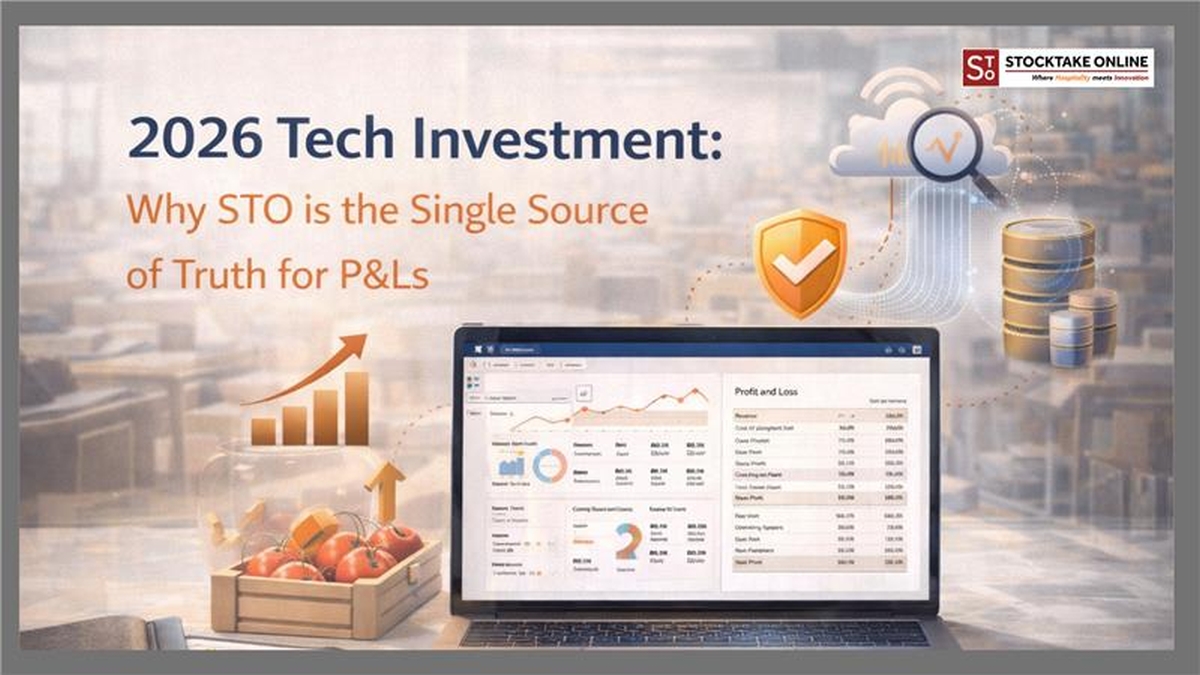

As we navigate the fiscal landscape of 2026, the hospitality industry faces an unprecedented convergence of operational pressures. Margin erosion, driven by volatile global supply chains and fluctuating labour costs, has rendered traditional, reactive accounting methods obsolete. For a modern Profit and Loss (P&L) statement to be a functional tool rather than a historical post-mortem, it requires a "Single Source of Truth."
2026 Tech Investment: Why STO is the Single Source of Truth
Feb 2, 2026 1:22:17 PM / by Team STO posted in stocktake online, Inventory Management, restaurant operations, hospitality finance, food waste reduction, multi-site management, COGS control, food cost control, menu engineering, AI forecasting
Mid-Year Margin Recovery: 5 Metrics to Audit in January
Jan 13, 2026 2:30:06 PM / by Team STO posted in restaurant operations, hospitality finance, food waste reduction, variance tracking, food cost control, menu engineering, margin optimisation, inventory audit
For many hospitality groups—especially those operating on an April-to-March fiscal calendar (common in the UK)—January represents the critical "Mid-Year" or Q4 pivot point. For others starting a new financial year, it is the baseline month that dictates Q1 performance. Regardless of your fiscal cycle, January is the month where operational discipline is tested.
The New Financial Model of Inventory Control: The 2026 Profit Playbook
Jan 2, 2026 2:15:45 PM / by Team STO posted in Inventory and Supply Chain Management, Inventory Management, Multi-Chain Restaurants, hospitality finance, food cost control, multi-site operations, COGS reduction, 2026 restaurant trends, restaurant financial planning, menu engineering
Executive Summary
As the hospitality industry moves towards 2026, a significant divergence is occurring. On one side are operators who view the coming year with dazzling confidence, backed by data-driven certainty. On the other are those preparing silently to confront "unknown margins," hoping that revenue volume will mask operational inefficiencies.